
| Key Takeaways | What to do |
|---|---|
| REST API Endpoint Docs work best when endpoints match real GPA tasks. | Name routes around GPA objects like gpa, terms, and courses. |
| Clear inputs prevent wrong GPA results across many grading systems. | Document credits, weighting, repeats, and pass/fail rules with examples. |
| Security matters because schools face heavy attack volume. | Use HTTPS, scoped keys, rate limits, and tight logging. |
| Fast integration wins in ed-tech where districts use many apps. | Ship copy-paste JSON examples, Postman collections, and a simple iframe widget. |
| Topic clusters help search and help developers find the right page fast. | Publish docs pages that link to a strong pillar on your main site. |
REST API Endpoint Docs for a GPA Calculator API & Embeddable Widget
Define the “job” of each endpoint in plain GPA language
REST API Endpoint Docs fail when endpoint names sound like code instead of school work. Use routes that match what a counselor, student, or LMS needs: term GPA, cumulative GPA, and scale conversion. Tie every endpoint back to the same math rules, or results will drift across apps. A single source of truth prevents mismatch across mobile, web, and LMS calls.
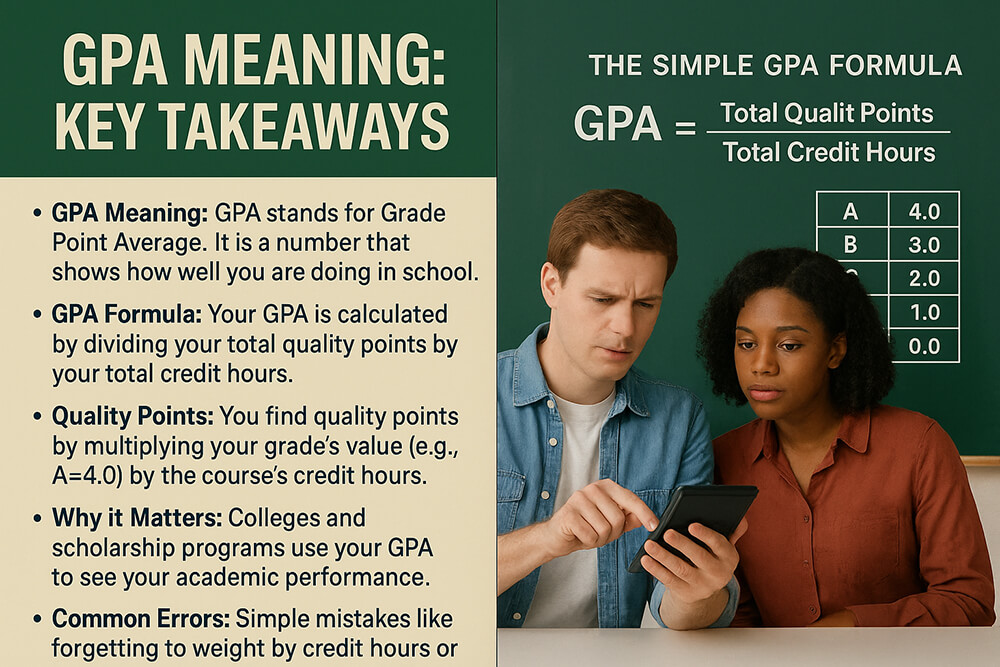 For credit rules, align docs with the credit hour weighting guide at credit hour weighting guide. Keep verbs out of paths when you can. Prefer /v1/gpa over /v1/calculateGpa. This naming stays steady as you add new outputs like quality points, class rank flags, or warnings.
Use consistent resource shapes for courses, terms, and transcripts
Developers move faster when every endpoint returns the same “shape.” Keep course objects the same across calculate, audit, and bulk import. Include credits, grade, scale, and flags like honors or repeated course. Use stable IDs so a school can re-send updates without duplicates. If your docs show a term list, reuse it in transcript endpoints too.
 Match your fields to common GPA words so schools do not guess what “qp” means. A short page that explains quality points vs GPA helps align terms at quality points vs GPA explained. When objects stay consistent, teams can add new endpoints without reworking every parser.
Document grading scales and conversions as first-class features
Many integrations break on grade scale edge cases. REST API Endpoint Docs should show how you handle letters, percents, and local scales. Provide a single conversion endpoint, plus examples for common systems. Include rounding rules, plus how you treat plus/minus grades. Show what happens when callers send an out-of-range value.
 If you accept percent inputs, document a mapping and link to percentage to 4.0 GPA conversion. Add a note on how you handle missing grades, withdrawals, and zeros, since schools label these in different ways. Clear conversion docs reduce “my GPA changed” complaints after launch.
Explain weighted, unweighted, and honors rules with no surprises
Weighted GPA rules vary by district. Your docs should spell out what “weighted” means in your system: extra points per course, caps, or fixed multipliers. If you support both modes, let callers choose per request and return both values when useful. Add examples for honors, AP, and IB flags, because these fields cause the biggest surprises.
 For clear weighting inputs, connect docs to the honors and AP GPA weighting guide. Include a short “defaults” block in each endpoint page so callers know what happens if they omit weighting fields. Stable defaults keep results the same across different apps in the same district.
Authentication that fits schools, apps, and student privacy limits
Ed-tech APIs often sit between many systems, and security risk keeps rising. REST API Endpoint Docs should show how to use scoped API keys or OAuth, plus how to rotate secrets. Keep auth examples short and copyable. Add role scopes like district_admin, school_staff, and student_self so data stays tight.
 If you store any identifiable student data, document retention and deletion rules. Keep requests limited to the minimum data needed to calculate GPA. For audit expectations, link to the transcript GPA audit guide. Security notes that match real school policy reduce risk and speed approvals.
Error codes that teach callers how to fix the request
Good REST API Endpoint Docs treat errors like teaching moments. Use standard HTTP codes, then return a clear error object with a human message, a short code, and a field pointer. For example: 400 for invalid grade, 422 for impossible credit totals, 401/403 for auth, and 429 for rate limits. Add at least one “bad request” example per endpoint.
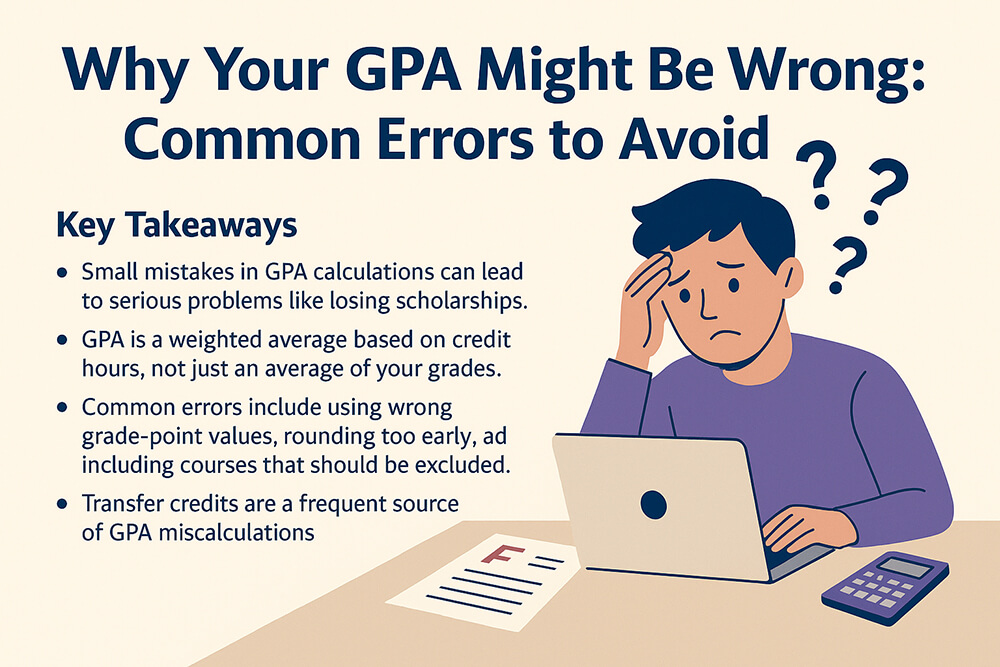 Tie validation rules to real mistakes, like mixing weighted and unweighted values or sending a “B+” on a scale that does not allow plus grades. If you handle pass/fail inputs, document the rule and link to pass/fail grades impact on GPA. Clear errors cut back-and-forth emails.
Versioning, deprecation, and change logs that do not break districts
Schools move slowly, and districts may run hundreds of apps at once. That makes breaking changes painful. Put versioning in the path (/v1/), and publish a short change log with dates. Mark fields as optional before you require them. Keep old versions alive long enough for a school year cycle when you can.
 Document edge cases that show up late, like incomplete grades that later turn into letters. If you offer tools that model these cases, connect to the incomplete grades scenario planner. Add a “sunset date” field in your docs so districts can plan upgrades on a calendar, not in a panic.
Rate limits, caching, and batch endpoints for real district traffic
Some reports say a school district can touch hundreds of ed-tech apps each month. That means your API needs sane rate limits and ways to reduce calls. Document rate limit headers, backoff rules, and idempotency keys for retries. Offer batch endpoints for “many students at once,” plus async jobs for large imports.
 Show how batch math matches single-student math, so results stay consistent. For transfer-heavy schools, link to the transfer credits GPA integrator. Describe the max batch size and the worst-case runtime so teams can set timeouts and retry rules.
OpenAPI, Postman, and examples in the languages devs already use
REST API Endpoint Docs should be testable in minutes. Publish an OpenAPI file, a Postman collection, and short examples in JavaScript and Python. Keep examples focused on the calls most schools need: calculate term GPA, calculate cumulative GPA, and convert grades. Add one curl example per endpoint so teams can test from any terminal.
 Offer a live reference tool at GPA calculator home so teams can compare results. Add a “sandbox” section that uses fake data and shows a full request and full response. Include one example with weighted fields and one without, so developers can spot the difference fast. List headers that matter, like request IDs and rate limit info.
Embed the widget with safe defaults and simple theme controls
Many schools want a GPA tool in a portal with almost no dev time. An iframe widget solves that when it is stable and easy to brand. Document a basic embed and list safe query params like theme, locale, and default_scale. Keep the widget read-only by default, so it does not store student data unless a school opts in.
 Make widget inputs match your API inputs, so schools can move from embed to full integration later. If the widget supports weighted toggles, connect to the weighted vs unweighted GPA calculator. Add clear sizing rules and accessibility notes, since school portals often have strict UI limits.
Build a topic cluster so devs and search engines find the right doc fast
Topic clusters help you rank and help a developer land on the exact page they need. Create a pillar page for the GPA API and widget, then publish cluster pages for endpoint naming, auth, errors, embedding, and use cases. Link every cluster page back to the pillar, and cross-link related pages when it helps the reader. Keep anchors specific, like “API error response codes,” not “read more.”
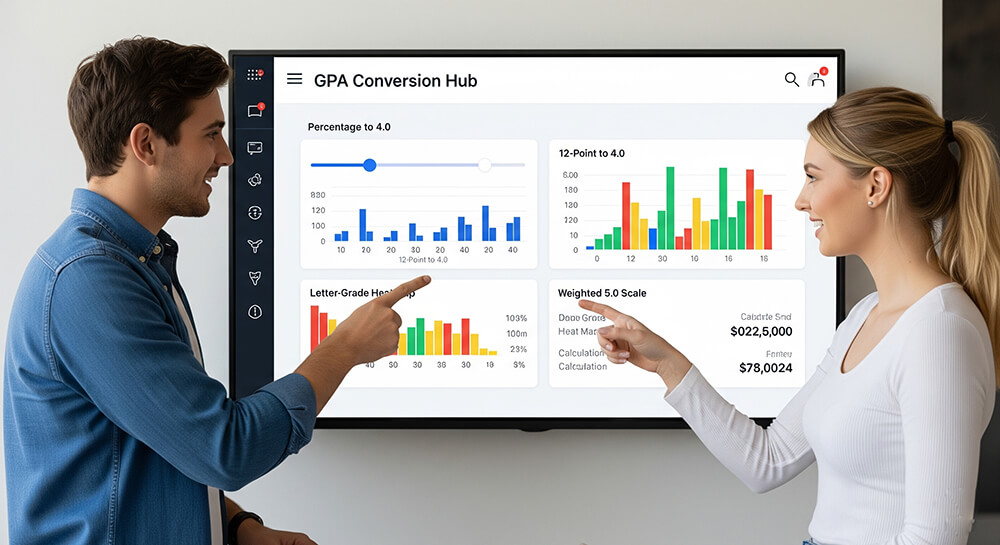 Use real GPA topics to expand the cluster, since many teams search by problem first. For global schools, connect to the international GPA converter guide. This mix builds authority and gives developers a plain-language path from “GPA question” to “API answer.”
Measure adoption with simple metrics and feedback loops you can act on
Docs are part of the product. Track which endpoints get called, where errors happen, and which docs pages drive sign-ups. Measure time to first successful call and the share of users who adopt the widget vs the API. Add a short “report an issue” link on docs pages, then update examples and error notes.
 Track which GPA features drive demand. If many schools ask for repeat rules, link docs to the repeat course GPA recalculator. Share a simple dashboard of error rates and top invalid fields, so teams fix the worst pain first. Watch which pages get saved or shared inside district teams, since that signals what needs better examples.
Frequently Asked Questions
Which GPA pages help writers create better endpoint docs fast? Use one math reference page and keep it stable, so every integration gets the same result.
How do you document a 5.0 scale without confusing a 4.0 caller? Label the scale in every response and show examples. A simple reference is the 5.0 GPA scale guide.
What docs should cover transfer and “last 60 credits” cases? Explain input rules and edge cases, then show a worked example. Start with the last 60 credits GPA calculator.
How do you handle IB grades in a clean API design? Use a named preset and return the mapped points. A guide link helps callers at the IB to GPA conversion guide.