Year and policy note: Figures and policy examples labeled 2024 or 2025 reflect the source period stated in this guide. Verify current requirements with the institution or publisher before making a decision.
Try the calculator: Compare your weighted GPA with a standard GPA, using transparent Honors, AP, IB, and college-course bonuses.
What this guide covers
| Question | Quick answer |
|---|---|
| What is unweighted GPA? | A 0.0-4.0 scale that treats every class the same. |
| What is weighted GPA? | A scale (often 5.0+) that adds extra points for harder classes like Honors/AP/IB. |
| Which one do colleges prefer? | Many look at both, then focus on grades and course rigor from your transcript. |
| Why can weighted GPA be "unfair"? | Schools use different bonus rules, caps, and course labels. |
| What should you do? | Track both GPAs, keep rigor balanced, and report what your school reports. |
Weighted vs Unweighted GPA: What It Means and Why It Matters
What "weighted-vs-unweighted-gpa" really means
Unweighted GPA shows your grades on a simple 4.0 scale. It treats every class the same. Weighted GPA adds bonus points for harder classes. Schools use it to reward challenge.
A common moment happens in the hallway. Two students compare GPAs. One says "4.4." The other says "3.9." The second student panics. The truth can be simple. The "4.4" is often weighted. The "3.9" is often unweighted.
Colleges know this confusion. Many admissions teams compare students from many schools. They often look past the single number. They read your transcript. They check your class level. They notice if you chose Honors, AP, IB, or dual enrollment.

A deeper walkthrough sits in this weighted vs unweighted GPA guide.
How unweighted GPA gets calculated on a 4.0 scale
Unweighted GPA turns letter grades into points, then averages them. Many schools use rules like A=4.0, B=3.0, C=2.0, D=1.0, F=0.0. Some schools also use plus and minus grades like A-=3.7 or B+=3.3.
Unweighted GPA stays under 4.0. Straight A's usually mean a 4.0. That stays true even if your A's come from basic classes or advanced classes. That is the main tradeoff. The number stays easy to compare across schools. The number also hides course difficulty.
This quick table shows the idea:
| Grade | Points |
|---|---|
| A | 4.0 |
| B | 3.0 |
| C | 2.0 |
| F | 0.0 |

For the math steps, use this GPA formula guide.
How weighted GPA adds points for harder classes
Weighted GPA starts with the same grade points, then adds a bonus for course level. Many schools add about +0.5 for Honors and +1.0 for AP or IB. An A in an AP class can count like a 5.0 instead of a 4.0. That is why some weighted GPAs go above 4.0.
Schools do not all follow the same rules. One district may cap weighted GPA at 5.0. Another district may allow 5.5 or 6.0. Some schools only weight core classes. Some weight electives too. This variation explains why a 4.6 at one school can mean something different at another school.
Weighted GPA can push students to take hard classes. It can also add pressure if a student stacks too many advanced courses at once.
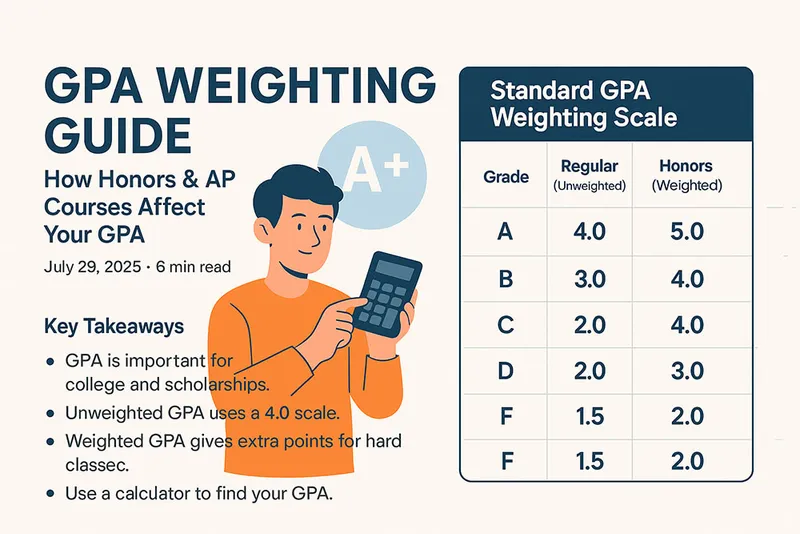
Extra details live in this Honors/AP weighting guide.
Same grades, two GPAs: a simple example that clears it up
A clear example helps more than a definition. Imagine five classes. A student earns: A, A, B, A, B.
Unweighted GPA uses the basic points:
- A=4.0, B=3.0
- (4.0 + 4.0 + 3.0 + 4.0 + 3.0) / 5 = 3.6
Now add course difficulty. Two A grades come from AP classes, and one B comes from Honors:
- AP A=5.0, Honors B=3.5, Regular A=4.0, Regular B=3.0
- (4.0 + 5.0 + 3.5 + 5.0 + 3.0) / 5 = 4.1
The grades did not change. The schedule did.
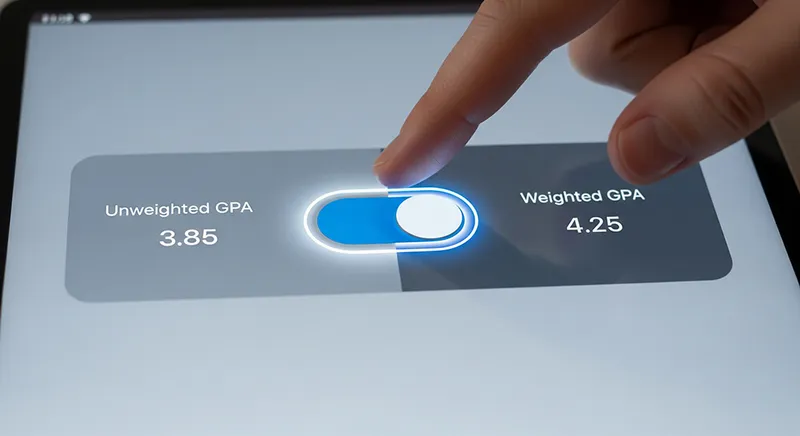
To run your own numbers, try the weighted vs unweighted GPA calculator.
Why many high schools use weighted GPA for class rank
Schools often use weighted GPA to rank students. A weighted system gives extra credit for harder classes. That can help schools reward students who take Honors, AP, IB, or advanced math and science.
This matters for awards like valedictorian. It also matters for class rank percentiles. It can push students into tougher classes early. It can also create a "race" where students grab every weighted class they can handle.
The biggest problem is rule differences. A school may label many courses as "Honors." Another school may label only a few. Some schools weight PE or art. Others do not. These choices can change rank even if students have similar skill.
A good move is to learn your district rules, then plan a schedule that you can actually do well in.
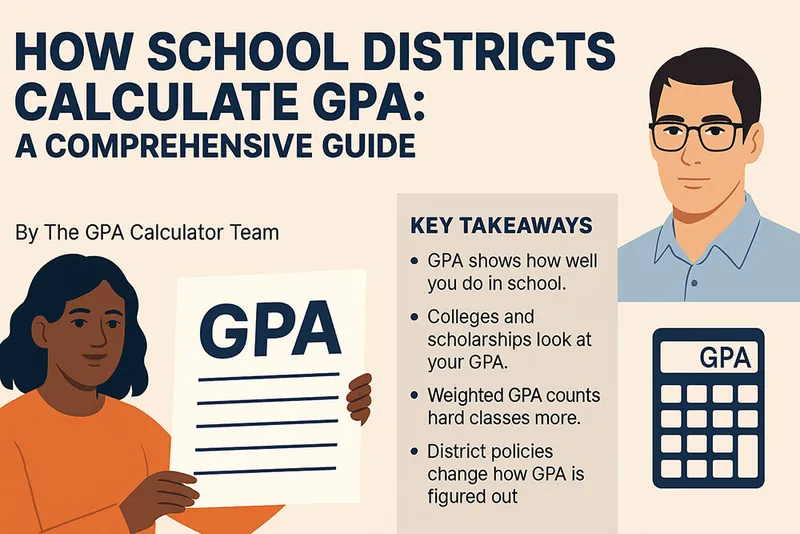
For rule details, see how school districts calculate GPA.
What colleges usually care about in GPA
Many colleges read both GPAs if they appear on your transcript. They often use unweighted GPA to see your grade consistency. They use weighted GPA as a quick hint about rigor. Then they look deeper.
Course rigor often matters as much as the number. A strong unweighted GPA in hard classes can stand out. A high weighted GPA can also stand out, but colleges know each school uses different weighting rules.
Students debate this online a lot. Some say weighted GPA is "more fair" because AP Chemistry is harder than a basic elective. Others say weighted GPA is messy because schools do not match each other. Both points can be true.
The safest focus is simple: take the hardest load you can handle, then earn strong grades.

This guide helps set expectations: GPA requirements for college admissions.
Why colleges recalculate GPA from your transcript
Many admissions teams recalculate GPA so they can compare students fairly. They may remove some classes, like PE or certain electives. They may only count core subjects. They may use their own weighting rules. This is common because weighting systems differ by district.
A recalculated GPA can feel frustrating. It can also help. A school that gives no weighting can still look strong if the transcript shows hard courses. A school that gives big weighting can still look fair if the recalculation lowers the number.
This is why the transcript matters so much. The transcript shows:
- course level (Honors/AP/IB)
- grade trend over time
- course mix (math, science, English, history, language)
A smart step is to review your transcript for missing credits, wrong levels, or data errors before you submit anything.
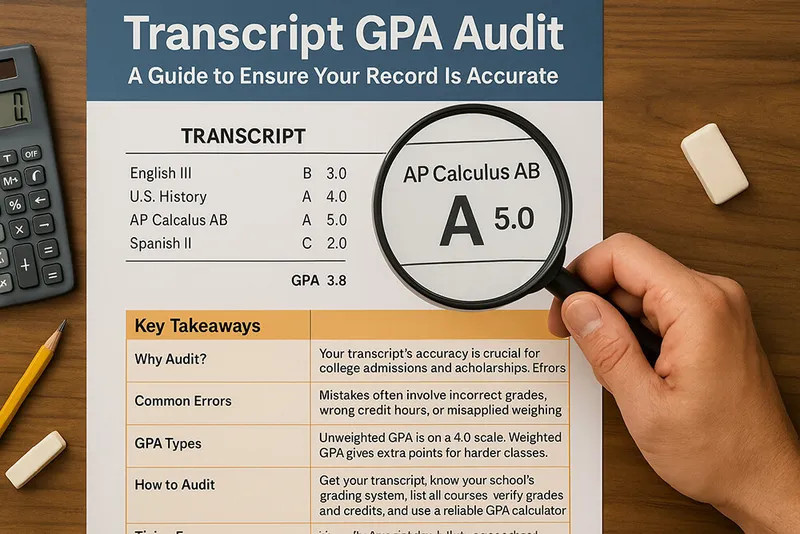
Use this for a clean review: transcript GPA audit guide.
How to choose rigor without burning out
Rigor should match your skills and your time. A schedule should stretch you, but it should not crush you. Weighted GPA rewards challenge. That can tempt students to overload. A heavy AP/IB stack can backfire if grades drop hard.
A simple plan works well:
- pick a few hard core classes you can manage
- keep one "breather" class if your school allows it
- protect sleep and study time
- ask teachers about workload before course signup
Rigor also depends on your program. IB and AP have different pacing. Dual enrollment can feel like real college. Choose the path that fits your learning style.
If you need to convert IB scores into GPA style numbers, use a clear conversion method instead of guessing.
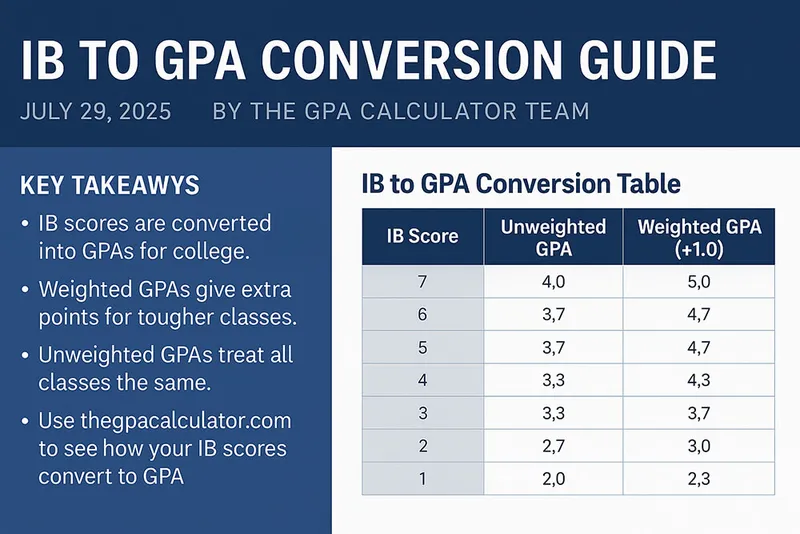
This helps with planning: IB to GPA conversion guide.
What a "good" GPA looks like in real life
A "good" GPA depends on your goals and your school context. Many sources place average U.S. high school GPAs around 3.0 unweighted. Competitive applicants often sit higher, especially with strong course rigor.
Selective colleges often report admitted student GPAs that look very high on weighted scales. Numbers above 4.0 weighted are common in AP/IB-heavy tracks. That does not mean you need a perfect GPA to succeed. Schools also care about course level, grade trend, and the story behind the grades.
GPA inflation can also shift what "normal" looks like over time. Some schools raise average grades. Some do not. That is another reason colleges read context.
If you aim for health programs, look at real GPA ranges for those paths. Those ranges can guide your target.

See trend context in GPA inflation vs deflation.
Common mistakes students make with weighted and unweighted GPA
GPA errors happen all the time. Most are simple. They still cause stress.
Common mistakes include:
- mixing 4.0 and 5.0 scales in one average
- counting a class that your school does not count
- using the wrong credit hours for a course
- rounding too early
- forgetting to include a semester or quarter
Some mistakes come from course repeats, pass/fail rules, or mid-year schedule changes. A calculator can help, but you still need correct inputs.
If your school uses credit hours, you must weight grades by credits. One A in a 1-credit lab should not count the same as an A in a 4-credit class.
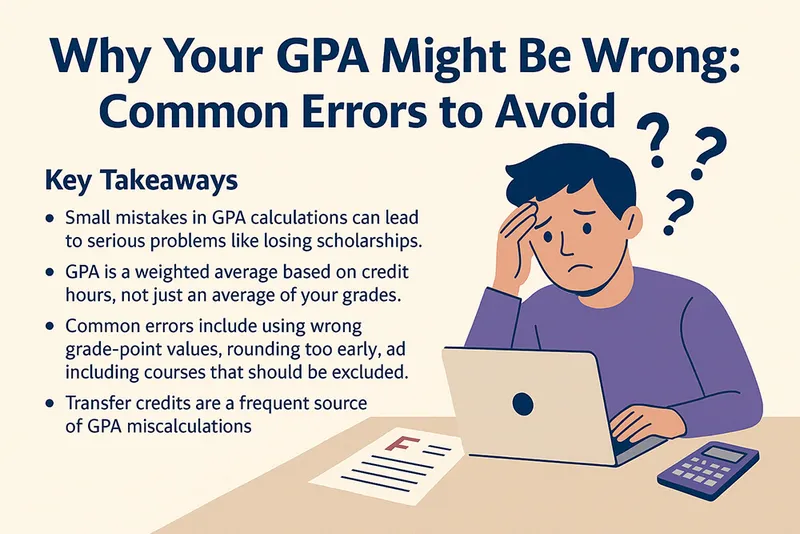
For clean math, use common GPA calculation errors to avoid.
The easiest way to track both GPAs with less stress
The easiest approach is to track both GPAs from the start of each term. Keep one row per class. Log the grade and the course level. Update it after each grading period.
This method helps in real situations:
- you plan senior-year course load
- you estimate scholarship cutoffs
- you explain a grade dip with context
- you compare "more AP" vs "more balance"
It also helps transfer students. Some schools recalculate transfer credits. Some only accept certain grades. A clear record saves time.
Tools can also help you test "what if" plans, like a B turning into an A next term. A planner can make the goal feel real and reduce panic.

If credits move between schools, use the transfer-credit guide.
Tools that make weighted vs unweighted GPA simple
A good calculator removes guesswork. It also forces you to enter the right details, like credits and course level. That makes your results more reliable.
A helpful setup uses:
- a high school GPA tool for class-level weights
- a college GPA tool for credit-hour math
- a conversion chart if your grades use percent or a different scale
Use a tool, then sanity-check the result. Does it match your report card style? Does it match your school's weighting rules? If not, adjust the settings.
A fast way to start is to use one main calculator, then add specialized tools only when needed. That keeps your workflow simple and keeps errors low.

Try the main tool here: https://www.thegpacalculator.com and compare results with a high school GPA calculator.
Frequently Asked Questions
Is weighted GPA always better than unweighted GPA? No. Weighted GPA can show course challenge, but unweighted GPA shows grade consistency. Colleges often use both, then check your transcript for rigor.
Can a 3.7 unweighted beat a 4.2 weighted? Yes. A 3.7 with tough classes can look stronger than a higher weighted GPA built from easier weighting rules. Transcript rigor matters a lot.
Do I report weighted or unweighted on applications? Report what your school reports. If your transcript shows both, some applications let you list both. If you feel unsure, use a clear method from the how to calculate GPA guide.
Why does my friend's school have a 6.0 scale? Some districts use higher caps. That does not mean those students are "twice as smart." It means the weighting rules differ.
What if my school uses pass/fail for a class? Pass/fail can change how GPA gets counted. Check your school policy and review rules in how pass/fail grades impact your GPA.