
What this guide covers
- Colleges look at both weighted and unweighted GPAs.
- A high weighted GPA does not guarantee college admission.
- Weighted GPA is not inherently superior to unweighted GPA.
- High schools use varying methods to calculate weighted GPA.
- Advanced courses only benefit your GPA if you perform well.
Introduction: Understanding Weighted GPA
For high school students, it is important to know about your GPA. GPA helps you plan for college and get into the school you want. Weighted GPA gives extra points for hard classes. These classes are honors, AP, or IB. But many people do not know much about weighted GPA. This can make students and parents confused. This guide will tell you about common ideas about weighted GPA. It will help you know the truth so you can plan for college. Use our dual GPA calculator on The GPA Calculator to help you.
What is Weighted GPA?
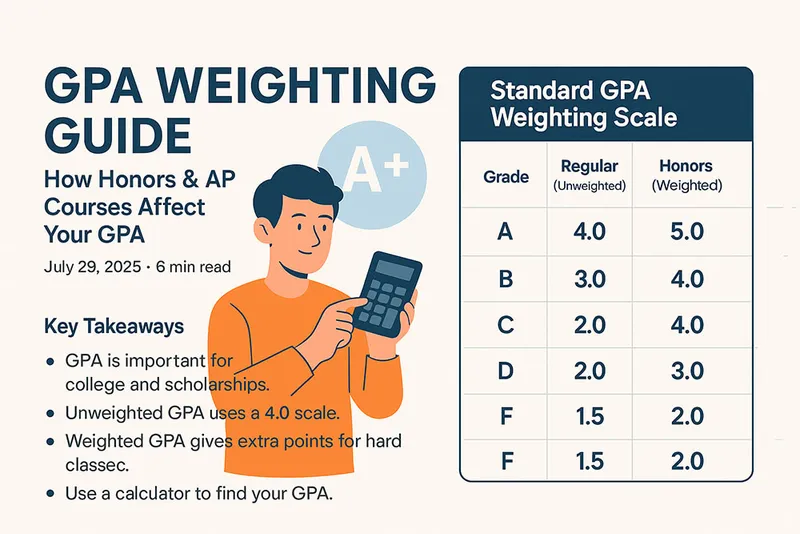
Weighted GPA counts how hard your classes are. It gives more points for harder classes.
- Regular classes:
A = 4.0, B = 3.0, etc. - Honors classes:
Typically +0.5 grade points (A = 4.5). - AP/IB classes:
Typically +1.0 grade point (A = 5.0).
This means your GPA can be higher than 4.0. It shows you took hard classes. Unweighted GPA uses a scale that is always 4.0. It treats all classes the same. Both GPAs are important for college. But some ideas about weighted GPA are not true. Let's learn the real information.
Myth 1: Colleges Only Look at Weighted GPA
Truth: Colleges look at both weighted and unweighted GPAs. They also look at other things. This includes your class rank, test scores, activities, essays, and letters from teachers.
Weighted GPA shows you want to take hard classes. Colleges like this. But unweighted GPA lets colleges compare all students fairly. Colleges may change your GPA to be fair to everyone. Use the dual GPA calculator from The GPA Calculator to calculate both GPAs.
Myth 2: A High Weighted GPA Secures College Admission
Truth: A high weighted GPA is good. But it does not mean you will get into college. Colleges look at everything about you.
Colleges look at your essays, activities, and if you are a leader. Even if your GPA is high, you may not get in if other things are not good. Some schools only let in a few students. This means many students with high GPAs do not get in.
Myth 3: Weighted GPA is Always Better Than Unweighted GPA
Truth: Neither GPA is always better. It depends on the college.
Weighted GPA shows you took hard classes. This is important for some colleges. Unweighted GPA lets colleges compare students. Some colleges like unweighted GPA because it is fair. Others like weighted GPA because it shows you like a challenge. Many colleges change GPAs to fit what they want.
Myth 4: All High Schools Calculate Weighted GPA the Same Way
Truth: Schools use different ways to calculate weighted GPA.
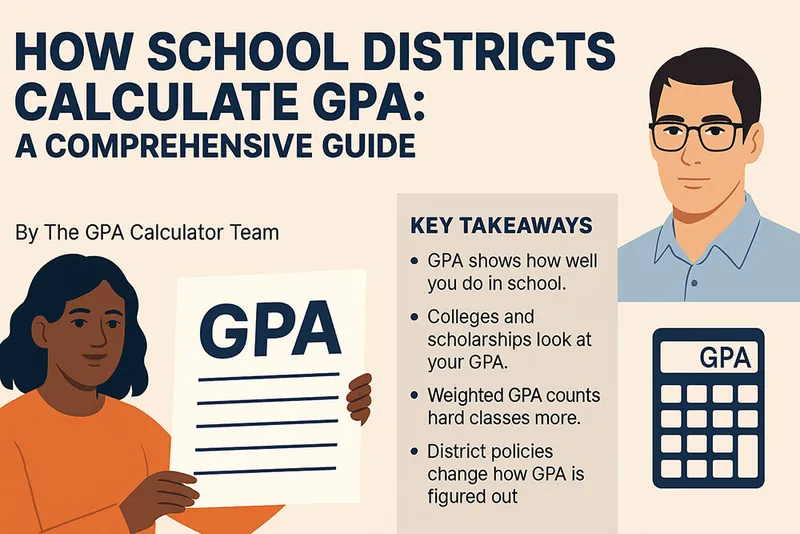
Some schools add 0.5 points for honors. They add 1.0 for AP/IB. Other schools use different numbers. This means colleges change GPAs to be fair. A 4.5 GPA at one school might not be the same as a 4.5 at another school. Read this The GPA Calculator article on how school districts calculate GPA.
Myth 5: Taking More Advanced Courses Always Increases Your GPA
Truth: Hard classes only help your GPA if you do well. If you get bad grades, it can hurt your GPA.
AP/IB classes give you extra points. But a B in AP (4.0 weighted) might not be as good as an A in a regular class (4.0 unweighted). It is important to do well in your classes. Learn more about GPA weighting on the The GPA Calculator blog.
Myth 6: Weighted GPA is Only for College Admissions
Truth: Weighted GPA is also used for class rank, scholarships, and other things in high school.
Schools use weighted GPA to decide who is at the top of the class. They also use it to give out scholarships. It is not just for college. It shows how well you did in school.
Myth 7: Unweighted GPA is Not Important
Truth: Unweighted GPA is important for comparing students from different schools.
Weighted GPA changes from school to school. So, colleges use unweighted GPA to be fair. They often tell you the average unweighted GPA of students they let in.
Myth 8: You Should Always Take the Most Advanced Courses to Boost Your GPA
Truth: Only take hard classes if you can get good grades. If not, they can lower your GPA.
Taking too many AP/IB classes can make your grades lower. Colleges want you to do well in your classes. Read this The GPA Calculator blog about GPA inflation.

Myth 9: A Perfect Weighted GPA (e.g., 5.0) is Necessary for Top Colleges
Truth: A high weighted GPA helps. But other things are just as important.
Top colleges want students who are good at many things. They want students with good essays, leadership skills, and activities. A slightly lower GPA can be okay if you are great at other things.
Myth 10: Weighted GPA Makes Up for Poor Performance in Regular Courses
Truth: Bad grades in any class will hurt your GPA.
Weighted GPA gives you extra points for hard classes. But low grades in regular classes can still make your GPA lower. You need to do well in all classes.
Compare Weighted and Unweighted Scenarios
Use The GPA Calculator to calculate the same course list in unweighted and weighted mode. Record each result separately and verify the weighting rule against your school.
- Calculate Both GPAs
Track your weighted and unweighted GPAs for a complete academic picture. - Plan Strategically
Simulate how taking advanced courses could impact your GPA. - Keep Comparisons in Context Use current, official admissions information rather than an unsourced school average.
Run the calculator once in each mode to compare the two labeled results.

Example Calculation
-
English (Regular, 3 credits)
Grade: A
Unweighted: 4.0 | Weighted: 4.0 -
AP Calculus (4 credits)
Grade: B
Unweighted: 3.0 | Weighted: 4.0 (+1.0 for AP) -
Honors Biology (3 credits)
Grade: A
Unweighted: 4.0 | Weighted: 4.5 (+0.5 for Honors)
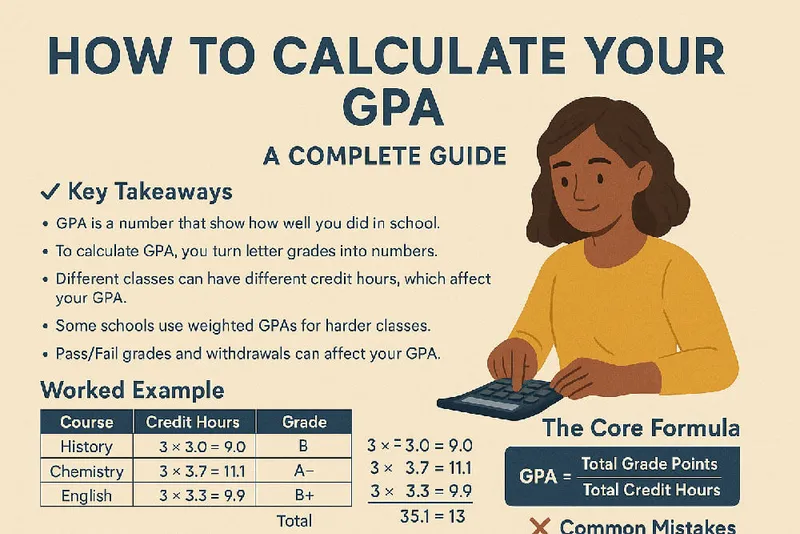
Unweighted GPA: [(4.0 × 3) + (3.0 × 4) + (4.0 × 3)] ÷ 10 = 3.60 Weighted GPA: [(4.0 × 3) + (4.0 × 4) + (4.5 × 3)] ÷ 10 = 4.15
Use this The GPA Calculator guide to calculating GPA.
Data on Weighted GPA Trends
-
Ivy League Standards
Average weighted GPA range: 4.1–4.2
Typical course rigor: 5–8 AP/IB classes -
National Benchmarks
- High school average: 3.0 unweighted
- Competitive college applicants: 3.5–4.0 unweighted
- Weighted GPAs typically 0.5–1.5 points higher
-
Admissions Reality
Colleges often:- Recalculate GPAs using core academic subjects
- Disregard non-academic electives
- Weight honors/AP differently than your school
Conclusion
It is important to know the truth about weighted GPA. Weighted GPA shows you can take hard classes. But it is not the only thing colleges look at. Use the dual GPA calculator on The GPA Calculator to see your GPAs. This will help you plan for college.
Frequently Asked Questions (FAQ)
Q: What is the difference between weighted and unweighted GPA?
A: Weighted GPA gives extra points for harder classes. Unweighted GPA treats all classes the same.
Q: Do colleges prefer weighted or unweighted GPA?
A: Colleges look at both. Some like weighted GPA. Others like unweighted GPA. It depends on the college.
Q: Is a 4.5 weighted GPA good?
A: Yes, a 4.5 weighted GPA is usually very good. It shows you took hard classes and did well.
Q: Can a low unweighted GPA hurt my chances of getting into college?
A: Yes, a low unweighted GPA can hurt your chances. Colleges use it to compare students.
Q: How can I improve my GPA?
A: You can improve your GPA by doing well in all your classes. You can also take harder classes if you can do well in them.