
Key Takeaways for Conditional Admission GPA Policies

| GPA band | Conditional odds | Likely program types | Simple next step |
|---|---|---|---|
| 3.3–3.5+ | Low need | Many programs take you directly | Aim for full admit first. |
| 2.9–3.29 | Medium | Mid-tier, regional, online masters | Plan strong support pieces. |
| 2.5–2.89 | High | Conditional at mid-tier and online | Build a clear GPA story. |
| 2.0–2.49 | Narrow | Some online and bridge paths | Use prep and fresh grades. |

Conditional Admission GPA Policies tell you when a school says “yes, but on probation.” Many online and part-time programs give these offers to applicants in the 2.5–2.9 band who show strong work, strong essays, and clear plans. You can map your own risk level with the college GPA calculator and the wider GPA calculator tools home. Then check how your number sits beside the GPA requirements for college admissions guide, the MBA program average GPAs guide, the MS Engineering GPA ranges page, and the PhD admission GPA cutoffs guide.
How Conditional Admission GPA Policies Differ by Program Type

Elite MBA and MS Engineering programs almost never use conditional status. Their GPA floors stay high and firm. Mid-tier MBAs and MS programs use Conditional Admission GPA Policies far more often for GPAs near 2.7–3.0. Online and part-time masters programs lean on conditional offers as a main gate. You can compare patterns with the MBA program average GPAs guide and the MS Engineering GPA ranges overview. Many undergrad paths that feed these programs show in the community college transfer GPA guide.

At the school level, some flagships ask for higher baselines than regional schools. The flagship university GPA requirements chart and the GPA requirements for college admissions guide show those lines. Honors markers also matter. The deans list thresholds chart, deans list eligibility checker, and graduation honors GPA requirements guide reflect GPAs that usually move above conditional range. On the other side, the academic probation rules by state guide describes the point where schools may drop you, not admit you.
Check Your GPA Before You Seek Conditional Admission

You cannot read Conditional Admission GPA Policies without a clean, correct GPA. Start with the college GPA calculator. Add every course, grade, and credit. Use the semester GPA calculator to see how each term helps or hurts. If you have many terms, the multi-semester GPA bulk import tool saves time and cuts copy mistakes.
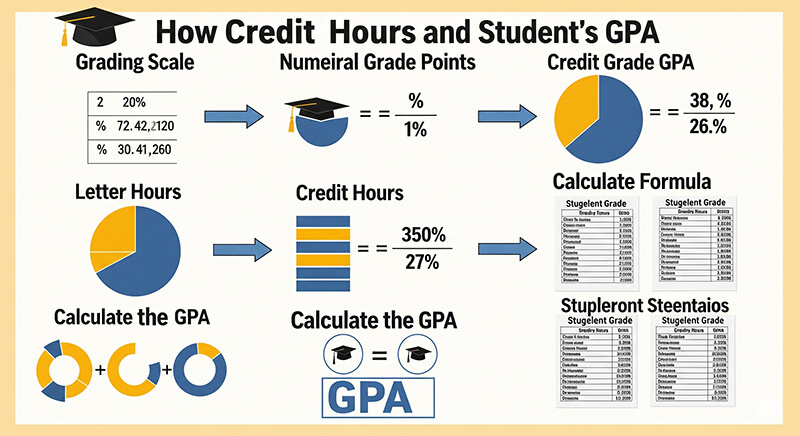
I ask students to check at least three views. First, the full record with the cumulative GPA calculator or the mirror at /blog/cumulative-gpa-calculato. Second, the last 60 credits GPA calculator, since many committees love that slice. Third, a future view with the mid-term grade projection slider. For the math itself, the credit-hour weighting GPA guide and quality points vs GPA explained show why a single four-credit C often drives a conditional decision.
GPA Scales, Conversions, And Conditional Admission GPA Policies
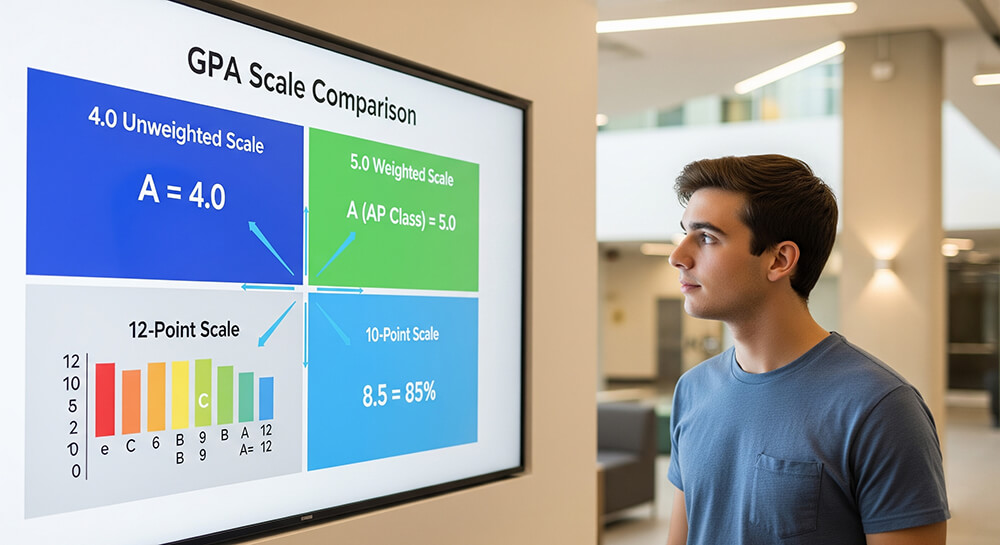
Conditional Admission GPA Policies work on whatever scale the program uses, but applications often pass through a 4.0 lens. If your school uses percent grades, the percentage-to-4.0 GPA conversion guide maps each mark to a standard value. The 12-point-to-4-point scale chart and letter-grade heat map give visual cues. For reverse checks, the GPA-to-percent reverse calculator and 100-point-to-5-point conversion guide help you match local rules.

I often see confusion when a 5.0 scale transcript hits a 4.0 cutoff. The GPA conversion charts and tools hub, 4.0 vs 5.0 GPA outcome simulator, and 5-0 GPA scale guide clarify that jump. Committees also think about fairness, which is why the GPA scale comparison guide matters. When a school writes its Conditional Admission GPA Policies, it wants to apply the same standard to many scale types without hurting or favoring one group.
GPA Trends, Last 60 Credits, And Core Course Slices

I trust a strong trend line more than a flat average. The GPA trend graph generator shows if your grades move up, down, or stay level. Many students with early 2.4 terms and late 3.7 terms still got offers because their recent work matched the program level. The last 60 credits GPA calculator often tracks that recent spike and can lift you across a conditional bar.

Conditional Admission GPA Policies also look at which grades you earned. The core vs elective GPA tool and prerequisite-only GPA calculator highlight math, lab, and methods work that shows true fit. If you changed majors, the major change GPA impact tool helps you explain that move. The transcript GPA audit guide, study-abroad grades GPA integrator, transfer-credits GPA integrator, and dual-degree GPA splitter keep complex paths clear for a busy committee.
How Schools Use Conditional Admission GPA Policies In Real Cases

Conditional admission is a promise with a test. The school says: “We believe you can do this, but we need proof inside the first term.” The a student’s guide to satisfactory academic progress explains how these rules guard program quality. The reinstatement after academic suspension guide shows the other side: what happens when grades stay too low.

Strong Conditional Admission GPA Policies always pair risk with support. I have sat with students who signed clear plans before classes began. Many used the GPA goal setting worksheet guide to set target term GPAs, the credit recovery course finder to pick lighter repair classes, and the grade replacement ROI calculator to select smart repeats. Daily life came from the time management templates for GPA and the raise my GPA action plan, which break a scary term into small, clear actions.
Fix Past Grades To Qualify For Conditional Admission

Many conditional offers hinge on two or three key grades. The repeat course GPA recalculator shows how retaking a D or F shifts your average. The drop lowest grade analyzer models policies where one mark gets dropped from the calculation. I once worked with a student who moved from a 2.46 to a 2.79 by repeating two heavy lab courses, which moved them into the conditional range for a regional MS program.

Strange marks can block the view. Use the how pass/fail grades impact your GPA guide to see whether pass/fail classes help or hide proof of skill. Clean your math with the common GPA calculation errors to avoid guide. For open terms, the gpa-planning-for-incomplete-grades guide and incomplete-grades scenario planner show what happens if an “I” turns into an A, B, or withdrawal. Clear numbers make it easier for a committee to say “yes, with conditions” instead of “no.”
Study Habits And Planning That Support Conditional Status

Once you start on probation, every week counts. The study tips for better grades guide shows how to break large tasks into small blocks. The study-habit audit checklist helps you see where time leaks out. Most conditional plans need steady, boring routines more than big late-night pushes.

I suggest students write out a full term plan before day one. The GPA goal setting worksheet guide sets target grades by course. The time management templates for GPA turn these goals into weekly slots. Then the raise my GPA action plan tracks actions like office hours, problem sets, and mock exams. When Conditional Admission GPA Policies say “3.0 after 9 credits,” these tools help you hit that mark without guesswork.
Early Paths To Conditional Admission: School Scales And GPAs

Some students care about Conditional Admission GPA Policies very late. Others plan far earlier. The high-school GPA calculator and the freshman year GPA predictor help teens see how early choices shape later grad options. If your school runs three terms, the trimester GPA calculator keeps your record clean for future readers.
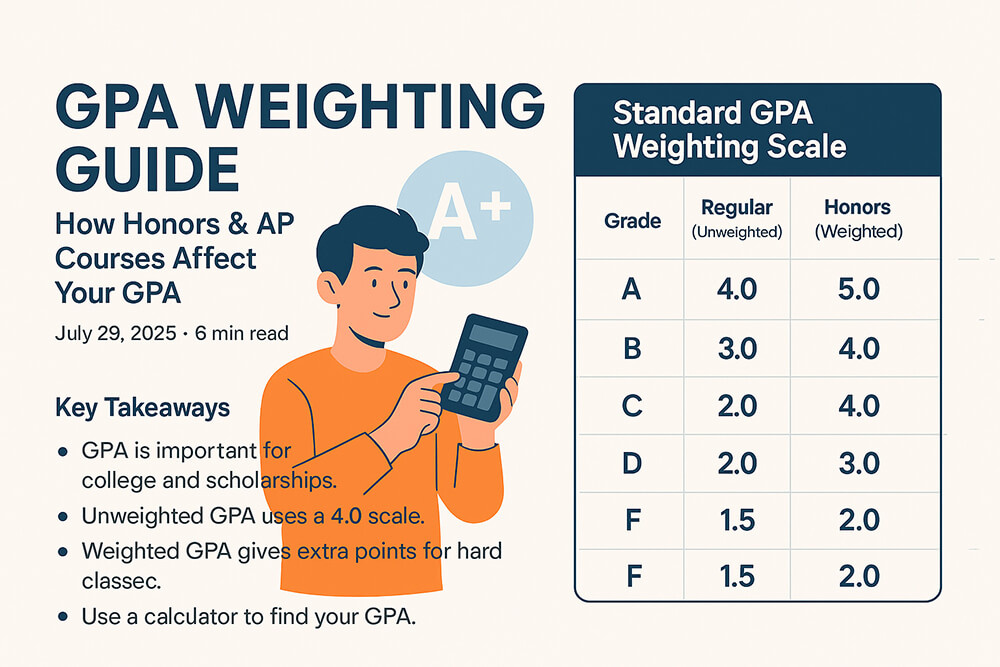
Scale rules in school districts shape how your undergrad and grad files look later. The GPA weighting guide for honors and AP, IB-to-GPA conversion guide, and how school districts calculate GPA guide explain these patterns. From there, the gpa-inflation vs deflation explainer, weighted GPA myths debunked guide, weighted vs unweighted GPA explainer, and weighted vs unweighted GPA calculator help you present a fair number. Students who track this early need conditional status far less often later.
International Students And Conditional Admission GPA Policies

International grading systems create big stress around Conditional Admission GPA Policies, since small number shifts can flip you from “full admit” to “conditional admit” or “deny.” The international GPA converter guide gives a clean path. For India, the indian 10-point GPA to 4.0 scale conversion guide maps typical marks to a US-style 4.0.

Other regions have their own tools. The UK class system grades to 4.0 GPA conversion guide works for “First” and “Upper Second” degrees. The Ontario 12-point to 4.0 GPA conversion guide handles 9–12 scales. The China 100-point GPA to 4.0 scale conversion guide and Nigeria 5-point GPA to US 4.0 scale conversion tool cover two huge applicant groups. Clear conversion makes it easier for schools to apply the same Conditional Admission GPA Policies to local and international files.
Conditional Admission GPA Policies vs MBA, MS, And PhD Goals

Conditional Admission GPA Policies sit inside a wider story about degree types and scales. The history of GPA and the types of GPA scales overview explain why some programs care so much about tiny number shifts. The pros and cons of GPA scales guide and the GPA scale comparison page help you see how a 3.2 can look weaker in a PhD file than in an MBA file.

For direct scale work, the letter-to-point GPA conversion guide and 12-point vs 10-point GPA conversion smooth out odd systems. I often tell students to track three clusters: the MBA program average GPAs guide, the MS Engineering GPA ranges page, and the PhD admission GPA cutoffs guide. Then place those beside the flagship university GPA requirements chart. Once you see where your GPA sits in each cluster, you can tell whether conditional admission is a backup route or your best first door.
Frequently Asked Questions About Conditional Admission GPA Policies
What is a “conditional admission” offer?
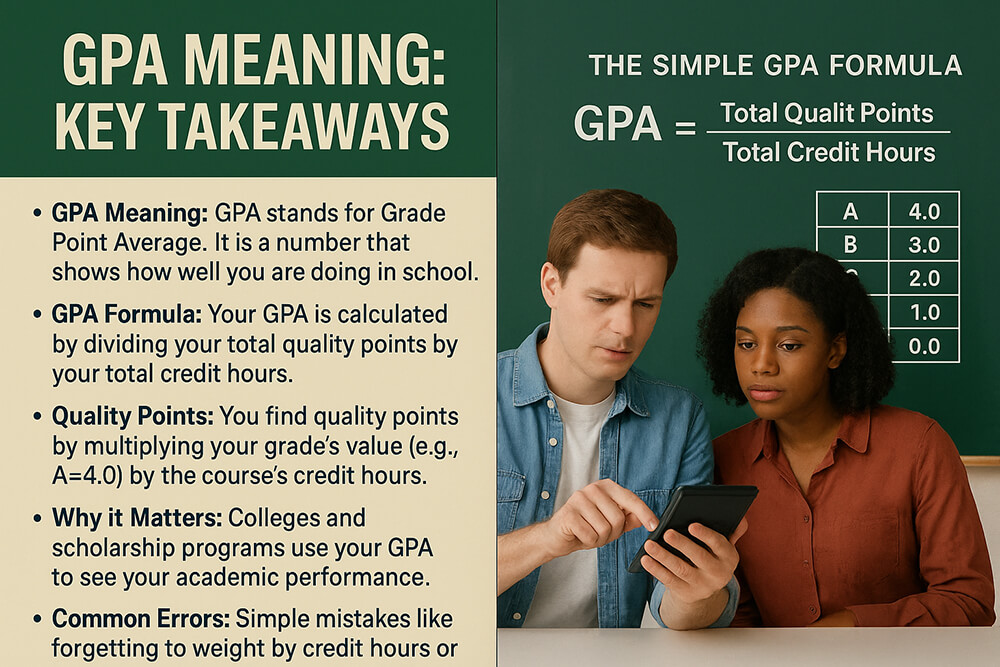
It is a “yes” with clear terms. The school admits you but sets rules, such as “earn a 3.0 GPA in your first 9 credits.” If you meet the mark, you shift into full standing. If you do not, you may lose your spot. Use the GPA formula guide and how to calculate GPA guide to see how many A and B grades you need.
What GPA range usually needs conditional admission?
In many data sets, the main conditional band runs from about 2.5 to 2.9. Above that, many programs grant full admission. Below that, most will ask for fresh work or a bridge path first. To see your place, start with the college GPA calculator, check the last-60-credits GPA calculator, and view your line with the GPA trend graph generator.
Do conditional students get financial aid or assistantships?
Often, no. Many schools hold aid, assistantships, and fellowships until you clear your terms. In practice, some online programs and some regional universities are more flexible. While you wait, you may lean on outside work or employer help. To keep the risk lower, run your plan through the repeat course GPA recalculator, the grade replacement ROI calculator, and the semester GPA calculator before you enroll.
How can I raise my GPA into the conditional range?
I suggest a simple three-part plan. First, fix clear spikes with the repeat course GPA recalculator and the drop lowest grade analyzer. Second, improve habits using the study tips for better grades guide, study-habit audit checklist, and time management templates for GPA. Third, map goals with the GPA goal setting worksheet guide, raise my GPA action plan, and the multi-semester GPA bulk import tool.
How do incomplete or pass/fail grades affect conditional decisions?
They can help or hurt, based on timing. An “I” that turns into an A can lift you into the safe band. A string of “P” marks may hide proof of skill in key fields. The gpa-planning-for-incomplete-grades guide, incomplete-grades scenario planner, and how pass/fail grades impact your GPA explainer show likely outcomes. Clean up any math mistakes with the common GPA calculation errors to avoid guide.
I studied outside the US. How do I read Conditional Admission GPA Policies?
You need a fair 4.0 version of your record. Start with the international GPA converter guide. Then use the indian 10-point GPA to 4.0 converter, UK class system grades to 4.0 guide, Ontario 12-point conversion guide, China 100-point conversion guide, or Nigeria 5-point to US 4.0 converter. Once you have that number, you can match it to Conditional Admission GPA Policies across MBA, MS, and PhD programs.